What a secondary dwelling is
The department describes a secondary dwelling as one used alongside, and secondary to, another dwelling on the same lot. It is generally smaller in size and scale, is commonly known as a granny flat, and cannot be developed by itself, because it always accompanies a main dwelling. A dual occupancy is a different thing:
| Secondary dwelling | Dual occupancy | |
|---|---|---|
| Relationship to the other home | Used in conjunction with, and subordinate to, another dwelling | Two dwellings that may be of the same or similar size and scale |
| The land | On the same lot as the main dwelling | Two dwellings on the same lot, or on separate lots sharing common property such as a driveway and front yard |
| Standing alone | Cannot be developed by itself | Not described on the department’s page |
What changed in 2022
Before 26 September 2022
The planning rules restricted who could live in a secondary dwelling, and how members of a household lived together.
From 26 September 2022
An amendment to the Planning Regulation removed those restrictions across Queensland. The department says a planning assessment of how land is used should not take into account how the people living in a dwelling are related.
The department says the change applies in all local council areas across Queensland. Any development and building approvals that apply are still needed, as are requirements under other laws, such as fire safety.
An existing granny flat: three cases
- A lawful secondary dwelling with an existing house. The department’s answer is that you don’t need to do anything.
- No planning approval was needed, or the approval has no occupancy conditions. It can now be rented out.
- The development approval has conditions restricting who may live there. The department says you may need to make a “change application” under the Planning Act 2016 to change those conditions, and suggests talking to your council.
Renting can change the building rules
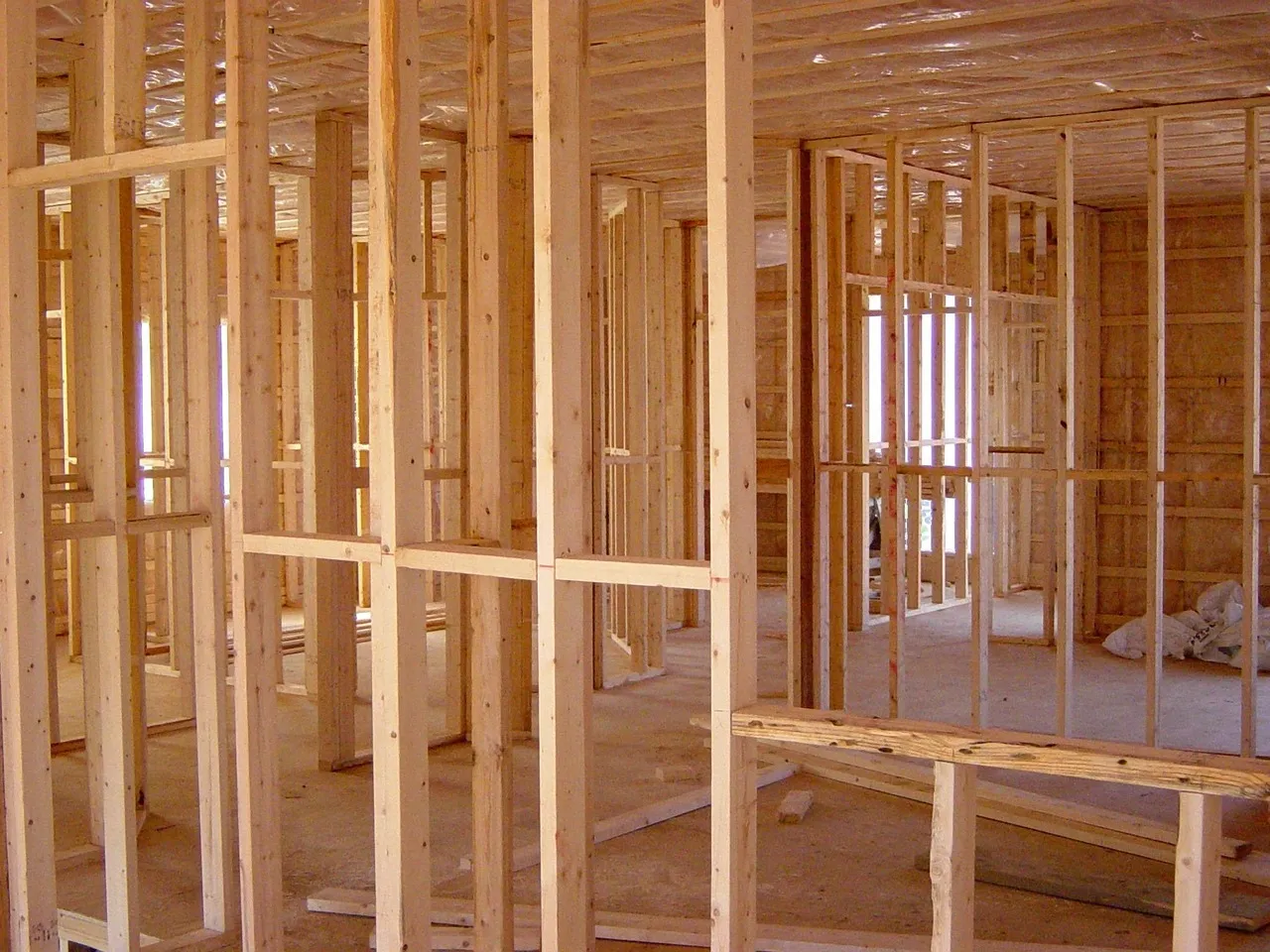
The fire safety and building framework did not change in 2022. What can change is the building’s use. The department’s example: if a house with a granny flat becomes a house with a rented-out secondary dwelling, additional fire and sound transmission requirements of the building code apply.
So before renting, the department says to check whether additional building works are needed that require building approval, particularly for fire safety, and that each homeowner needs to make sure the secondary dwelling complies with the building code so the accommodation is safe for renters. It suggests seeking advice from a building certifier, and points to the Queensland Building and Construction Commission’s list of licensed certifiers.
Building a new one
Any new secondary dwelling needs building approval, and you still need to speak with your council to understand whether it also needs development approval. That has not changed. The same goes for converting an existing structure into a granny flat, and the department notes that councils have some different rules on building approvals.
Signing up a tenant
The department says there is no change to how a tenancy agreement is made, and points to the Residential Tenancies Authority for the agreements and for advice on which type applies. The authority’s own page says before a secondary dwelling is rented, the owner must have every approval it needs, and the rental must meet the smoke alarm requirements and every other health and safety regulation. The renting sheet goes through the agreement types, bonds and the tax side.